
Fort Kochi Beach
Fort Kochi Beach: A Walk Through History
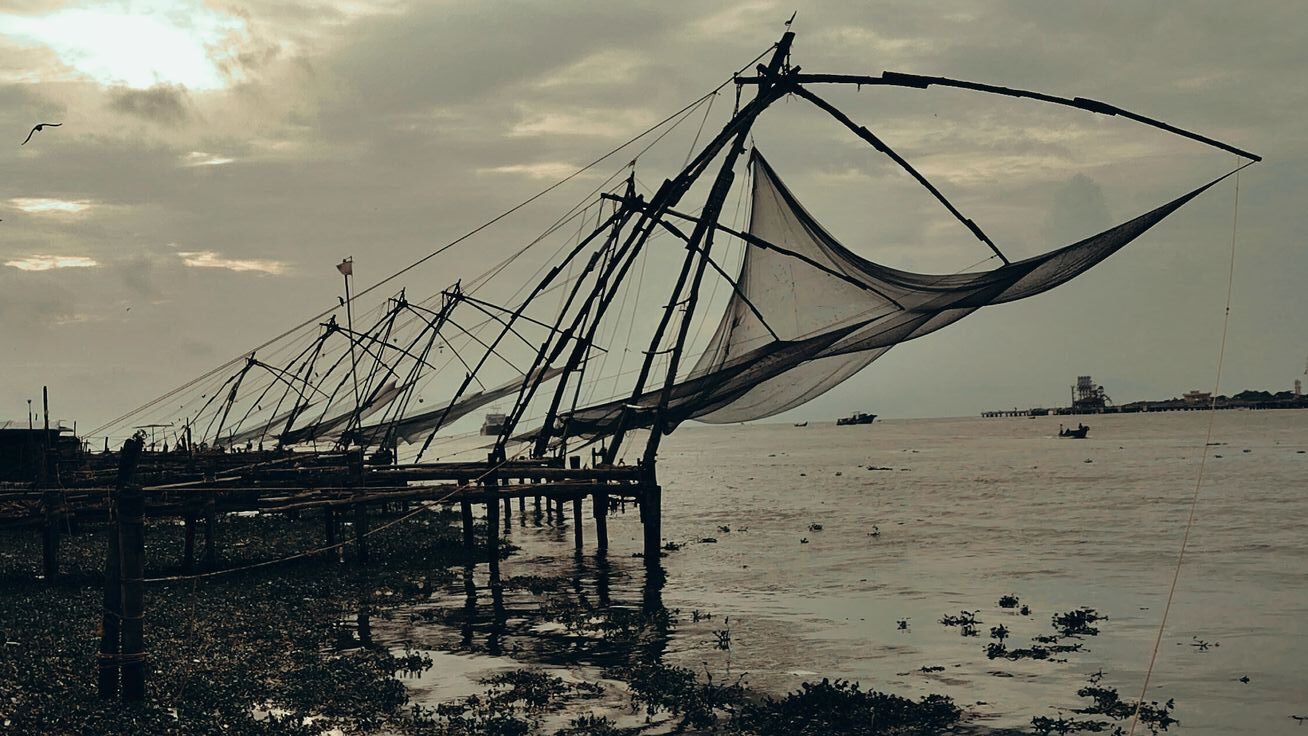
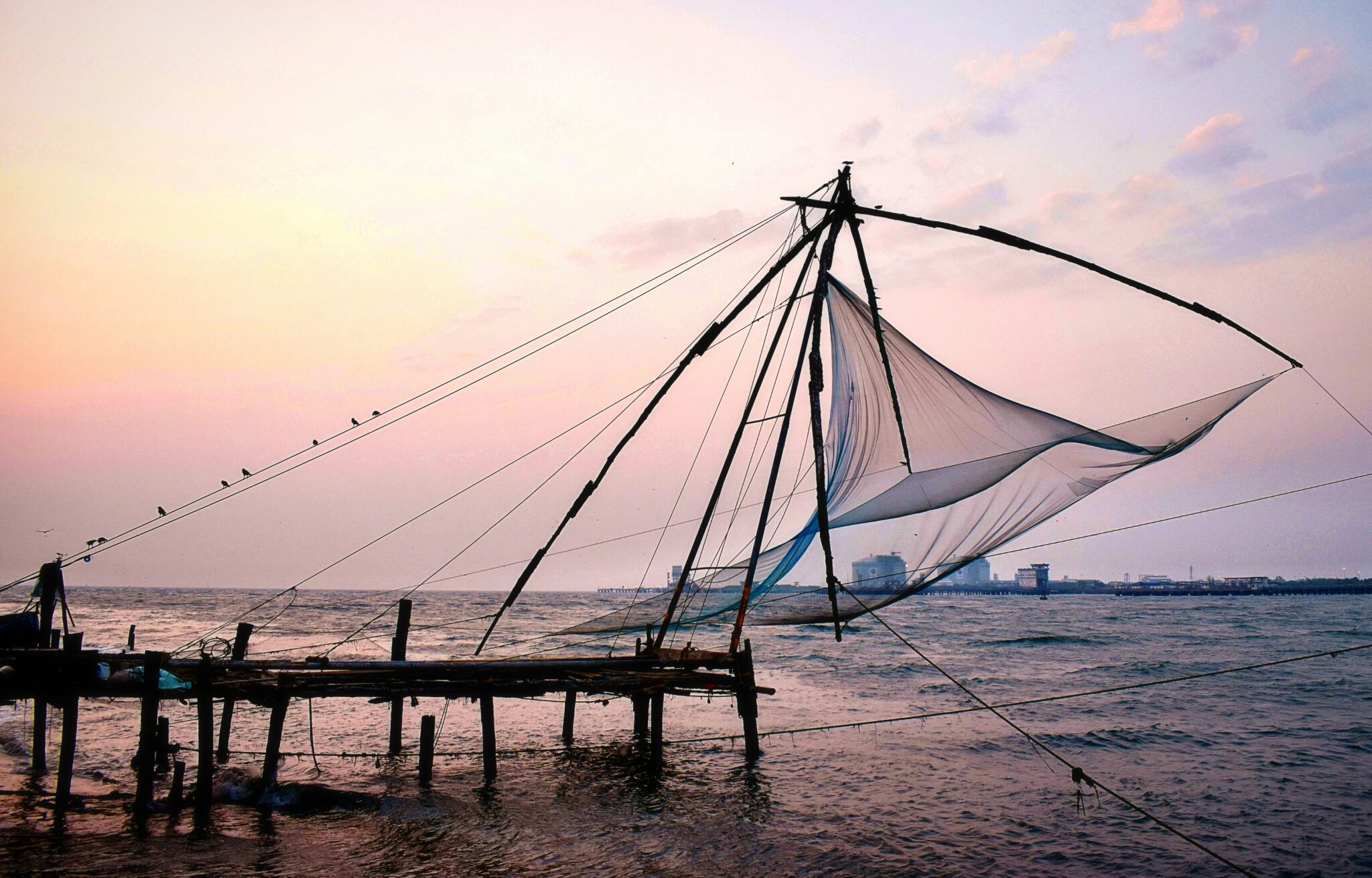
Nestled along the Arabian Sea in the city of Kochi, Kerala, Fort Kochin Beach is not just a scenic stretch of sand — it’s a living monument to centuries of trade, colonial influence, and cultural fusion. With its laid-back charm and echoes of the past, this beach is a window into the rich and complex history of coastal Kerala.
A Port of Global Importance
Fort Kochin’s history dates back to the 14th century, when it was a modest fishing village. Its transformation began when the Kingdom of Kochi allowed the Portuguese to build a fort in 1503 — marking the first European colonial settlement in India. The fort, named Fort Emmanuel, gave the area its name: Fort Kochin.
The beach became a crucial part of this port town, serving as a landing point for explorers, traders, and missionaries from across the world. Spices, particularly black pepper, were the key commodity, drawing merchants from China, Arabia, Europe, and Africa.
Colonial Layers: Portuguese, Dutch, and British
The Portuguese were soon followed by the Dutch in the 17th century, who defeated the Portuguese and took control of Fort Kochin. They left their mark through architecture and trade practices, but by the end of the 18th century, the British emerged as the dominant power, making Fort Kochin a key node in their colonial network.
Each colonial power left behind churches, homes, and trading posts, many of which still stand near the beach today — including the St. Francis Church, where Vasco da Gama was first buried, and the Dutch Cemetery, which dates back to 1724.